A Smarter Ceramic Coating Plan for Fort Worth Vehicles
Does your vehicle look clean when it leaves the wash, only to collect dust, water spots, and road film again within a few days? Fort Worth, Texas drivers deal with intense sun, sudden rain, construction dust, pollen, and summer temperatures that can make paint maintenance especially demanding. A ceramic coating can make routine care easier, but only when the surface is properly prepared and the coating is maintained correctly.
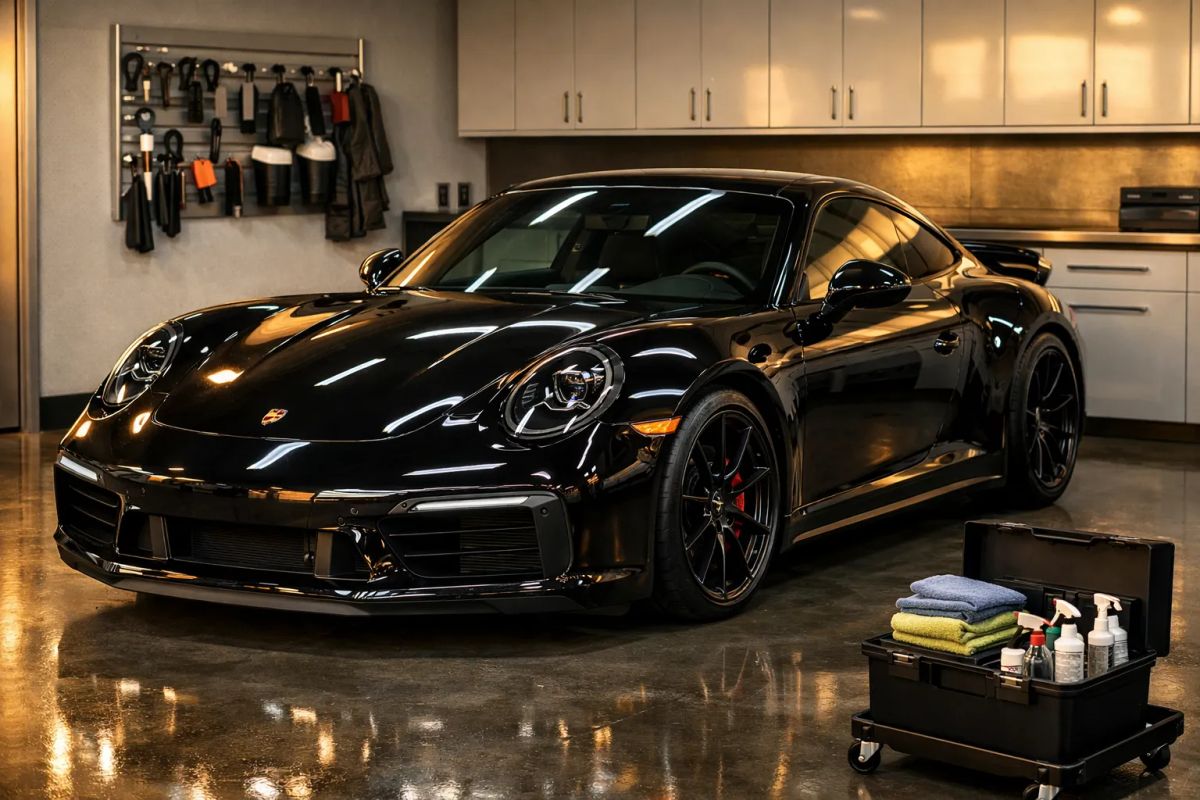
At Di Paulo's Auto Detailing, we install ceramic coatings as part of a complete paint-care process—not as a quick spray-on shortcut. Our team evaluates the paint, removes contamination, prepares the finish, and explains how to care for it after delivery. We serve drivers throughout Arlington Heights, Benbrook, Downtown Fort Worth, Keller, Mansfield, North Richland Hills, Southlake, and Trophy Club.
This guide shares the practical advice we give our customers: what ceramic coatings can and cannot do, when paint correction is necessary, how long the process takes, and which habits help a coating perform well for years. For current business information, including our applicable license details and exact years in operation, contact us directly rather than relying on an unverified listing; our Google profile currently shows 0 reviews and 0 stars.
Tip One: Prepare the Paint Before Applying Protection
The most important ceramic coating tip is also the one people skip: coating quality depends heavily on paint preparation. A coating bonds to the clear coat, so wax residue, bonded mineral deposits, iron particles, oxidation, and polishing oils can interfere with the result.
Before coating, we typically wash and decontaminate the vehicle, inspect the paint under controlled lighting, clay or chemically remove bonded contamination when needed, and polish the surface if defects or haze are present. A newer vehicle may need only light enhancement, while an older daily driver may benefit from more extensive paint correction before protection is installed.
Do not judge preparation by whether the vehicle looks shiny in direct sunlight. Swirl marks, water spots, and uneven gloss often become more visible under inspection lighting. Correcting those issues before coating is far more effective than trying to hide them underneath a protective layer.
Ceramic Coating Tips for Fort Worth, Texas Weather
Fort Worth weather affects both the installation and the long-term performance of a coating. Strong ultraviolet exposure can accelerate clear-coat oxidation, while rainwater can leave mineral deposits when it evaporates on a warm panel. Dust and pollen also stick more readily when a vehicle is allowed to develop an oily film.
A ceramic coating adds chemical resistance, slickness, gloss, and hydrophobic behavior, but it is not an invisible force field. It does not prevent rock chips, deep scratches, door dings, or every water spot. For the best results:
- Park in a garage or shaded area whenever possible, especially after rain.
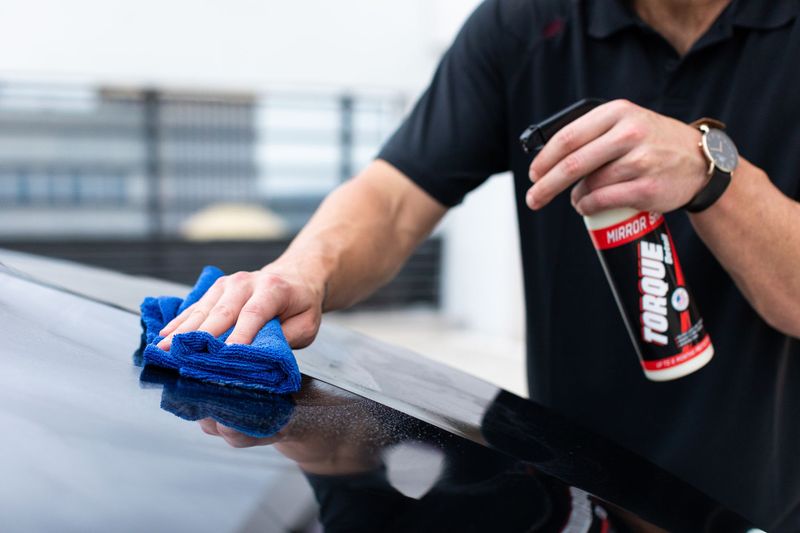
- Remove bird droppings, insect residue, and tree sap promptly with a soft microfiber towel and appropriate cleaner.
- Avoid letting hard-water droplets bake onto hot paint.
- Use a pH-neutral automotive shampoo instead of household dish soap.
- Ask about a coating-safe maintenance product rather than applying random waxes or dressings.
In neighborhoods such as Southlake, Trophy Club, Keller, and North Richland Hills, a covered parking space can make a noticeable difference. Shade does not eliminate maintenance, but it reduces thermal cycling and gives contamination less opportunity to bond to the finish.
How to Wash a Ceramic-Coated Vehicle Correctly
A coating does not mean you can use an automatic brush tunnel without consequences. Aggressive brushes can create marring, while recycled wash water may contain abrasive grit and strong chemicals. The safest routine is a careful hand wash or a reputable touchless process followed by a gentle contact wash when necessary.
Use this basic sequence:
- Let the body panels cool and work out of direct sun when possible.
- Rinse thoroughly from the top down to loosen loose dust and grit.
- Wash with a clean microfiber mitt and pH-neutral soap, starting with the roof and upper panels before moving toward the dirtier lower sections.
- Rinse the mitt frequently and keep separate tools for wheels, tires, and painted surfaces.
- Dry with a clean, plush microfiber drying towel or filtered air. Do not allow water to air-dry on the paint.
- Inspect the finish. If water behavior changes, do not immediately assume the coating has failed; contamination may simply be blocking the surface.
For customers who do not have time for a complete hand wash, a deep clean detail can help keep a coated vehicle presentable between deeper appointments. The goal is to remove contamination without adding unnecessary abrasion.
How Long Does Ceramic Coating Installation Take in Fort Worth?
Time depends on the vehicle’s size, paint condition, correction level, and the coating system selected. A well-maintained newer vehicle may take roughly one full day for preparation and installation. A larger SUV or a vehicle needing moderate paint correction may require two or more days so we can complete the work carefully and allow the coating to cure in a controlled environment.
The price also varies for the same reasons. As a general planning range, professional ceramic coating work often starts around several hundred dollars for a limited or entry-level package and can exceed $1,500 when substantial paint correction, multiple coating layers, wheels, glass, or interior protection are included. We provide an exact quote after seeing the vehicle because quoting every car from a stock price can lead to rushed preparation or unexpected charges.
When comparing estimates, ask what is included. Confirm whether the quote covers decontamination, paint correction, panel preparation, coating installation, curing time, maintenance instructions, and any warranty terms. A low price that excludes the preparation work may not be a true bargain.
Maintenance Mistakes We See on Coated Cars
In our many years of hands-on detailing experience, the most common coating problems are maintenance problems rather than product problems. Owners often expect hydrophobic behavior to remain perfect forever, use harsh chemicals, or wait until heavy buildup has accumulated before scheduling care.
Avoid these mistakes:
- Applying abrasive polish or compound without professional guidance.
- Using household glass cleaner, degreaser, or tire product on painted panels.
- Washing with a dirty sponge or an old towel that has touched wheels.
- Scrubbing bird droppings instead of softening and lifting them.
- Applying waxes that leave residue and make it difficult to evaluate the coating.
- Assuming poor water behavior automatically means the coating is gone.
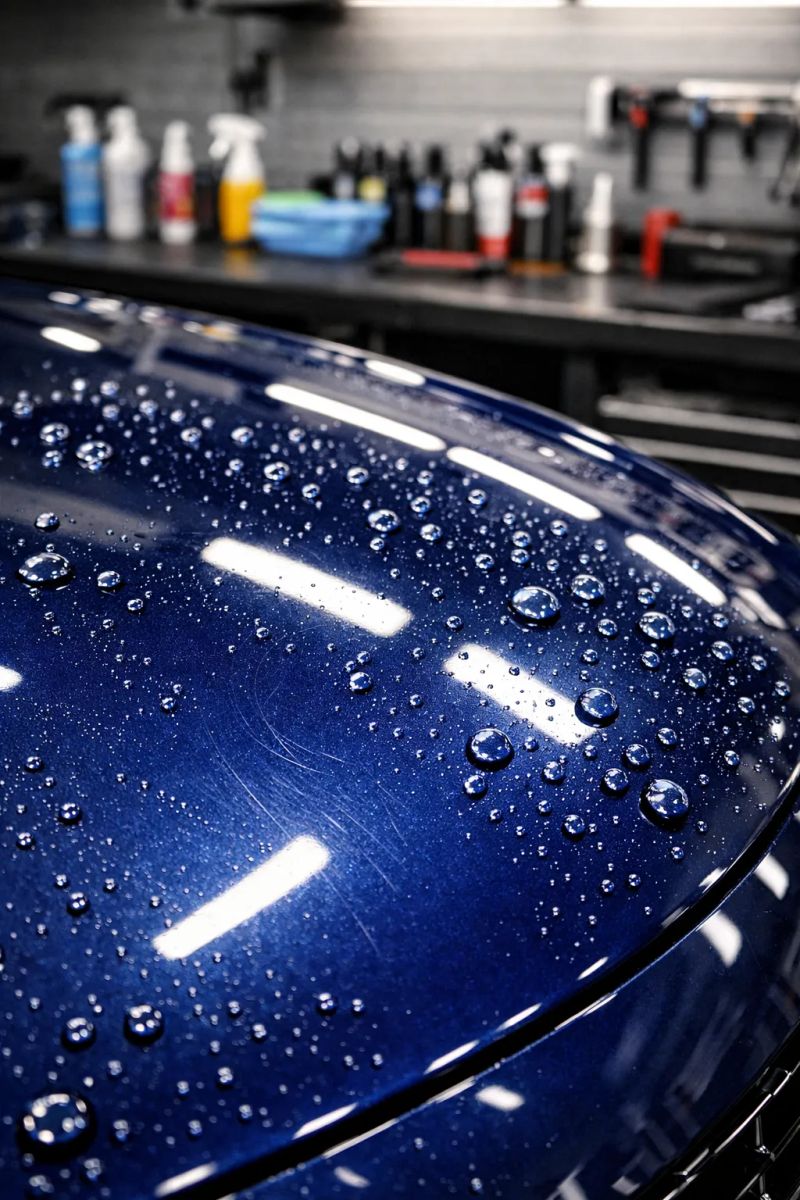
If water no longer beads as expected, begin with a proper wash and contamination removal. Mineral deposits, road film, and iron particles can mask the coating’s surface properties. If the finish still looks dull or unresponsive after safe cleaning, our team can inspect it and recommend maintenance, decontamination, or repair rather than selling you a replacement coating unnecessarily.
A Coating Is a Maintenance System, Not a One-Time Miracle
The best ceramic coating results come from matching the protection to your driving habits. A daily commuter traveling through Downtown Fort Worth may need more frequent washing than a weekend vehicle in Trophy Club. A truck used around construction areas may need regular decontamination, while a garage-kept sedan may stay cleaner for longer.
We recommend reviewing the vehicle after the first few weeks, then scheduling maintenance based on its condition rather than an arbitrary calendar. Our ceramic coating service includes guidance on washing, drying, contamination removal, and realistic expectations. If the interior also needs attention, our interior detailing service can be paired with exterior protection for a more complete reset.
Frequently Asked Questions
Will a ceramic coating stop rock chips and scratches?
No. Ceramic coating improves chemical resistance, gloss, and ease of cleaning, but it is not a substitute for paint protection film or physical impact protection. At Di Paulo's Auto Detailing, we explain these limits clearly so Fort Worth drivers can choose the right protection for their vehicle.
Can I ceramic-coat a brand-new car without paint correction?
Sometimes, but new does not always mean flawless. Dealer transport, washing, and storage can create light marring or contamination, so we inspect the paint before deciding whether it needs a light polish or more extensive correction.
How soon can I drive my car after ceramic coating?
The exact curing instructions depend on the coating system and shop conditions. We provide vehicle-specific guidance, but owners should generally avoid rain, washing, and unnecessary exposure to contamination during the initial cure period.
How often should a ceramic-coated car be washed in Fort Worth?
Most daily drivers benefit from washing every one to two weeks, with faster cleanup after bird droppings, sap, or heavy rain. Vehicles in Arlington Heights, Benbrook, Mansfield, or construction-heavy areas may need more frequent care because dust and road film accumulate quickly.
How do I get a ceramic coating quote from Di Paulo's?
Send us details about the vehicle, its age, parking conditions, driving habits, and current paint condition through our contact page. We can then discuss the preparation required, expected timeframe, and package options for your Fort Worth-area vehicle.